Big Read | 27 February 2026
Unblocking the potential of our buses
 trentbarton
 East Midlands Combined County Authority (EMCCA)
Tom Morgan is marking three years in the hotseat as managing director for Wellglade’s bus operators, which includes trentbarton, Kinchbus, Midland General, Notts & Derby and TM Travel. Here, in his own words, he reflects on the group’s successes – while also setting out measures he believes would allow the region’s bus services to operate to their full potential.
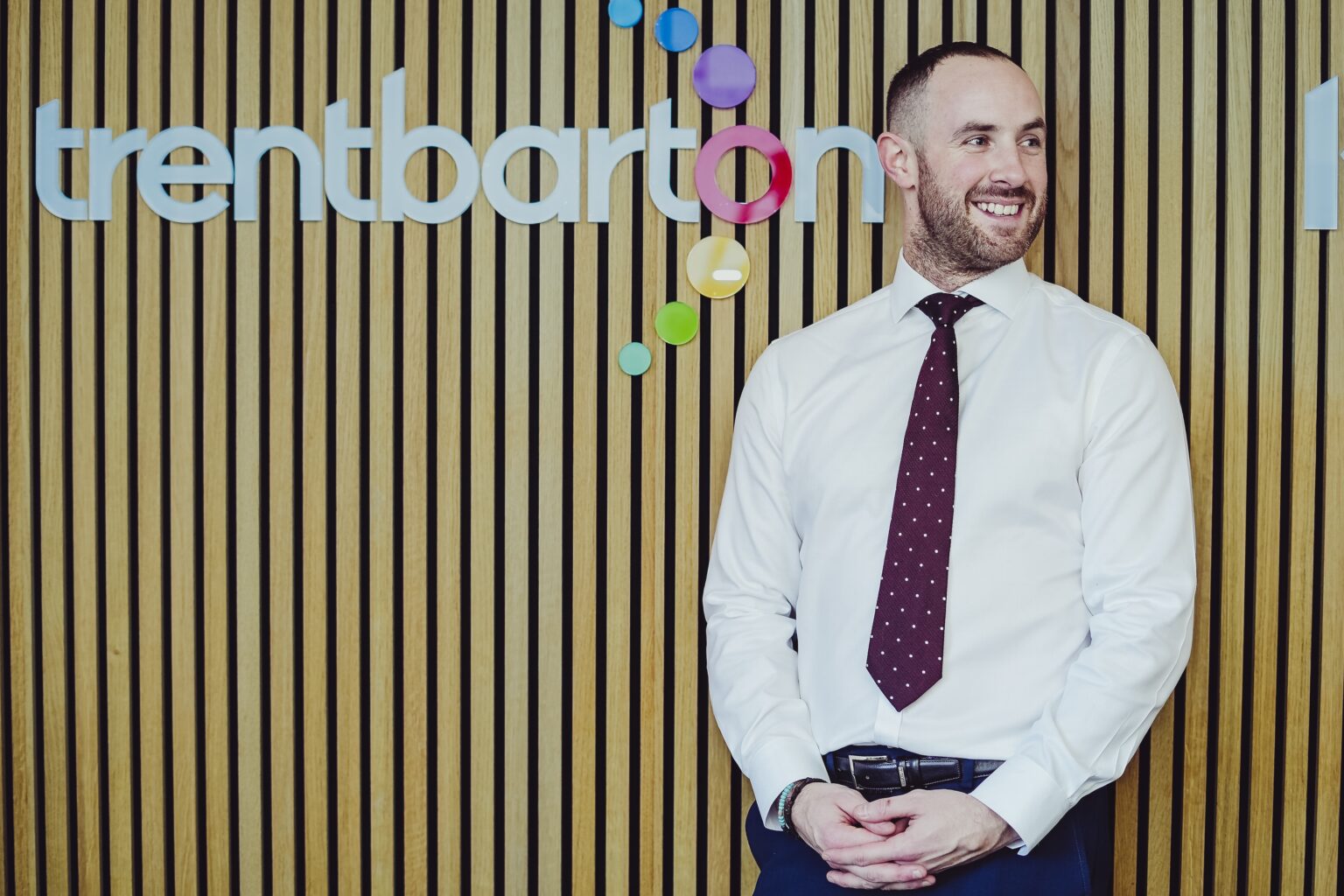
As I start my fourth year at the helm of trentbarton and its sister operators I can reflect on the things that we have improved, and the innovations made.
I feel like we have achieved good progress thanks to the hard work and dedication of our teams.
We have shown our commitment to our region and the people who need our services by investing £25 million in new vehicles – buses for our routes and 10 coaches for our flagship red arrow connecting Derby and Nottingham.
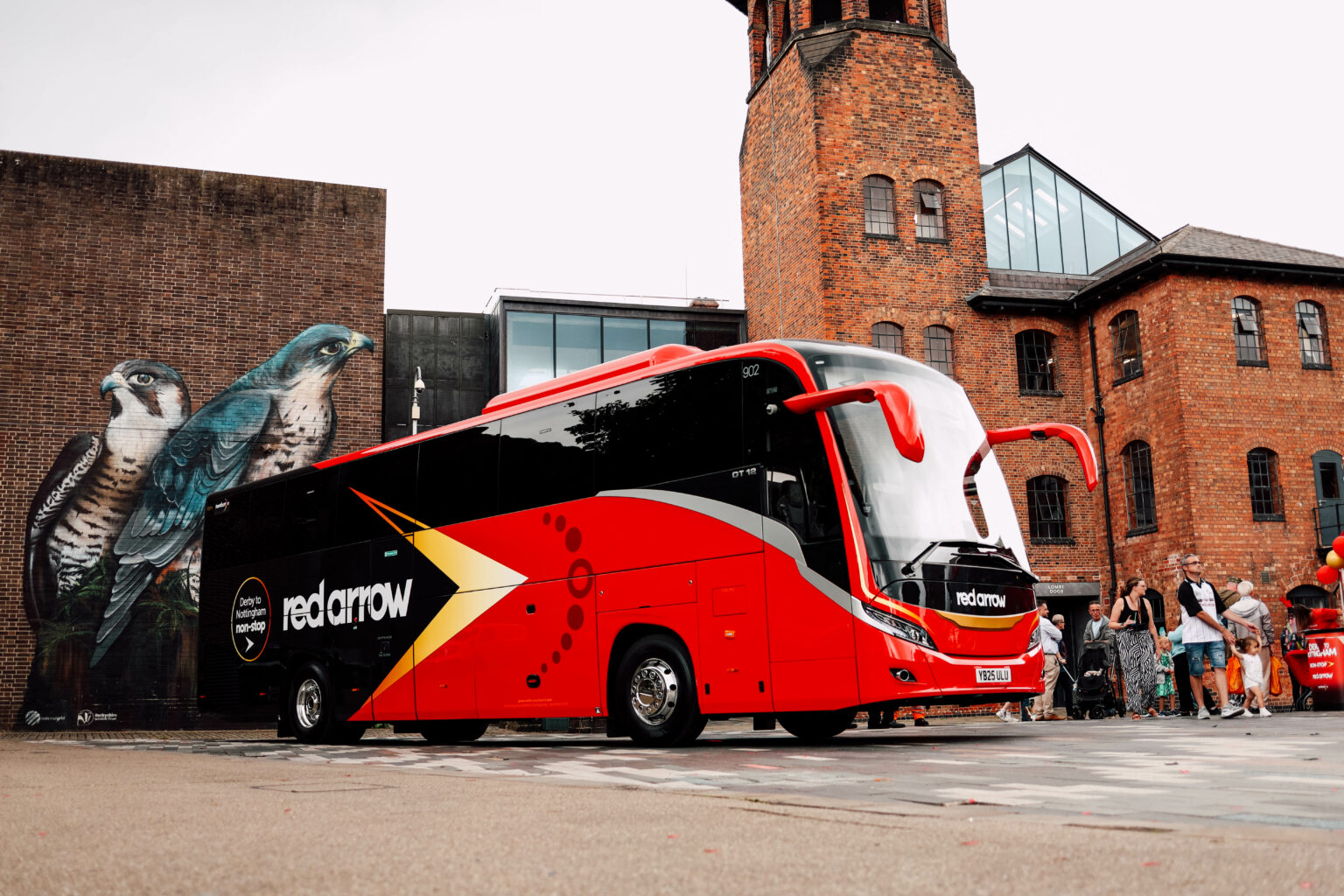
That meant more than a quarter of trentbarton’s fleet had been renewed in just three years, underlining our drive towards a future of high quality, greener services in the East Midlands.
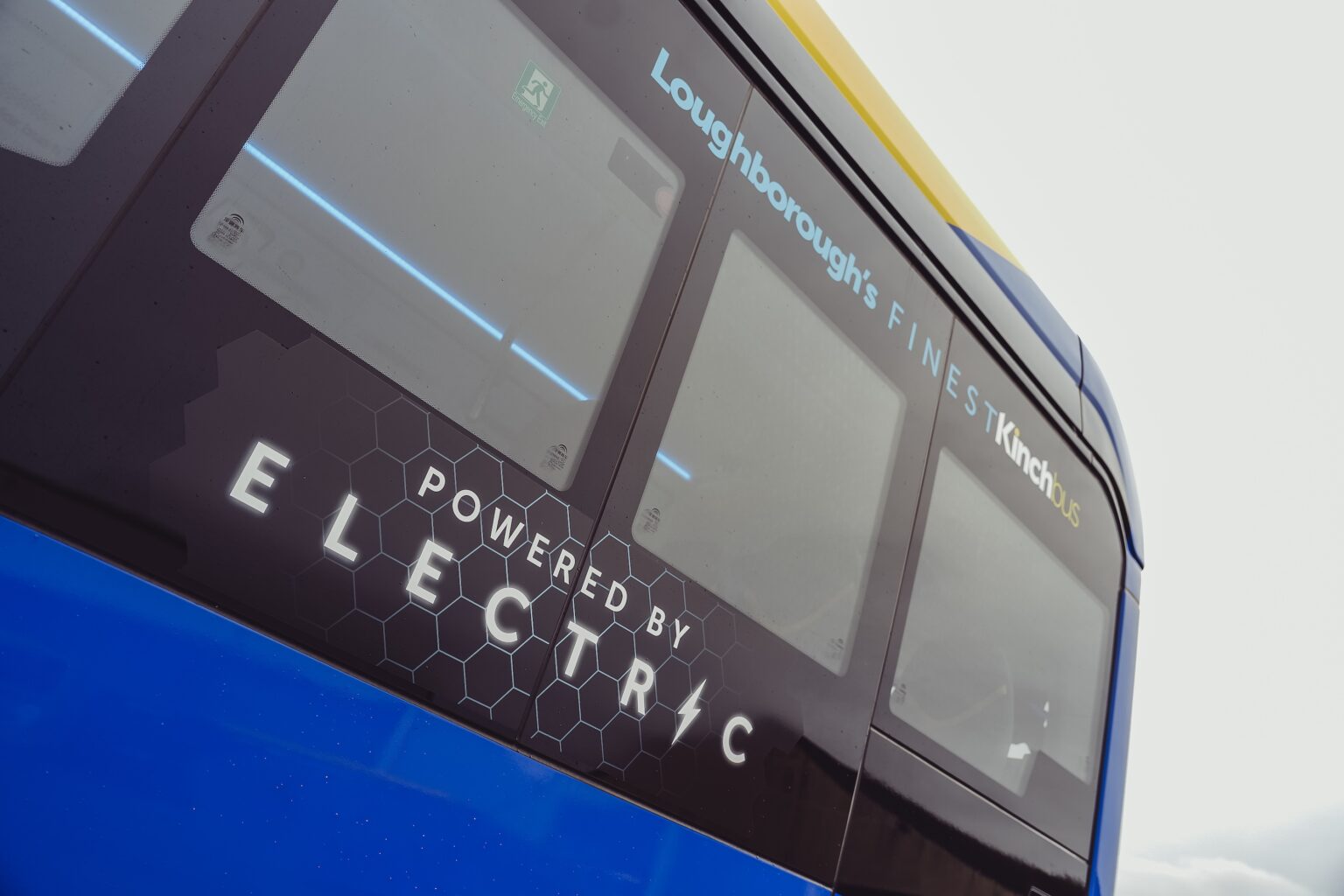
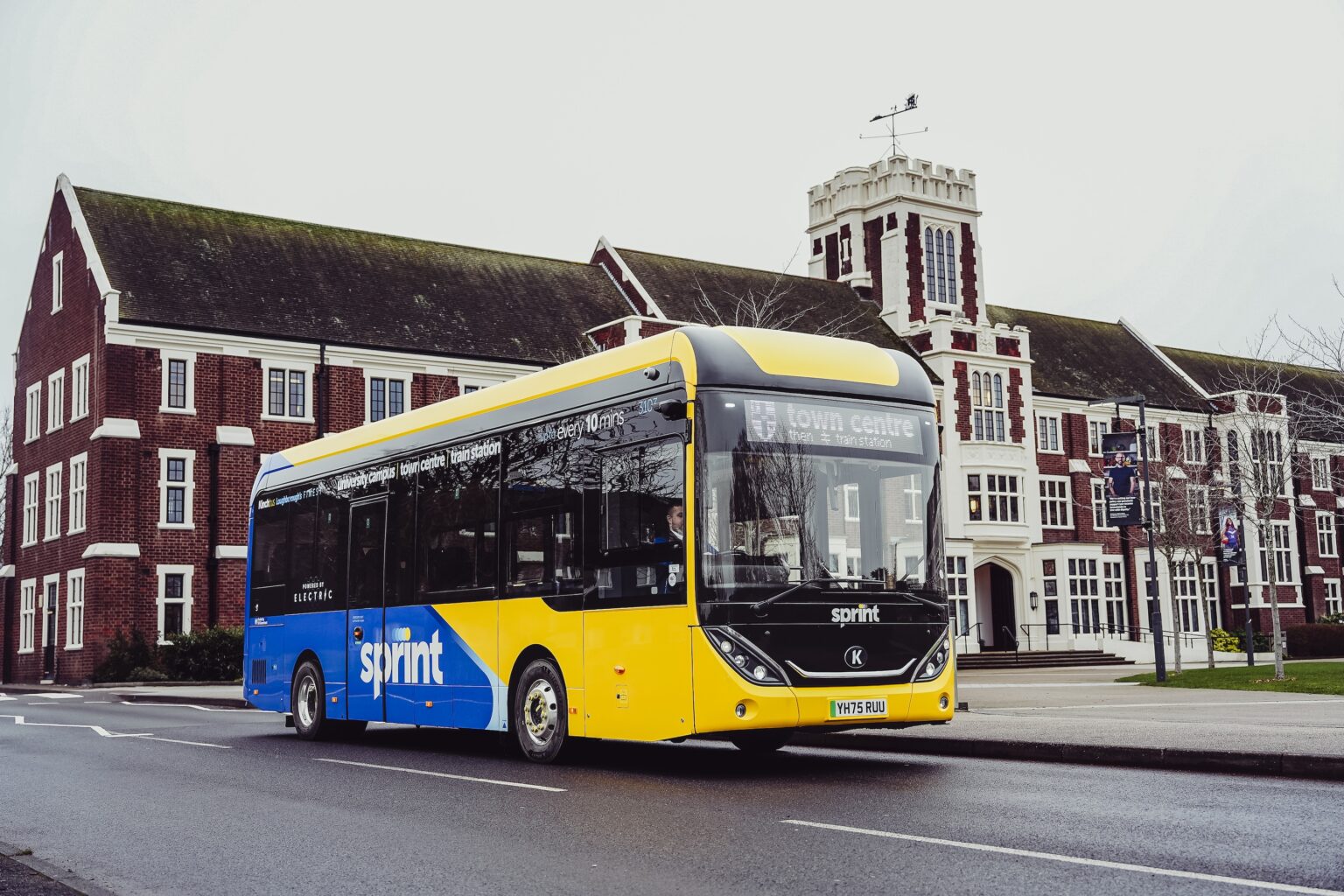
Our parent group, Wellglade, has begun our zero-emission journey with 22 fully electric buses joining the Kinchbus fleet in 2026 – the first already plugged in to their routes.
We’ve also huge strides with our mango app, which has been a truly global trailblazer for tap-on, tap-off ease of use, convenience, connectivity and automatically providing the best value for money for customers.
Our ambition to continue innovating with ticketing was reflected in notable double award wins in 2025 for the multi-operator system for students developed and implemented with a local authority, college, university and a fellow bus operator.
A very exciting development in my three years in the driving seat has been our ability to expand services again, despite the long tail of Covid impacts on people’s changing patterns of work and travel.
It has been great to go on a positive, proactive period of growing our timetables once more. skylink, ilkeston flyer, the mickleover, the two, the Allestree and swift have seen extra journeys added and earlier and later journeys too. I can’t tell you how good that feels.
But perhaps my proudest boast is on behalf of our teams. From the engineering apprentices excelling in their training and in national skills competitions, to our customer service team also being recognised on the national stage.
And then there are our drivers. Year after year they exemplify what our ethos is: the really good bus company.
Every time the independent watchdog Transport Focus surveys bus passengers nationwide, our drivers shine.
In 2025, trentbarton drivers were judged by customers as the best in the Midlands – the regional number one for satisfaction, with 94% of customers surveyed saying they were satisfied or very satisfied with their trentbarton bus driver.
However, the positive impacts of our efforts have been constrained by a series of obstacles placed in our way – namely, the proliferation and duration of roadworks, closures and diversions.
If you drive a car in, between or around our major cities of Derby and Nottingham you will no doubt have been frustrated at some points by delays caused by utilities and highways agencies digging, filling, resurfacing while closing lanes and diverting traffic.
Frustrating isn’t it, when you are just trying to get from A to B in a car?
Now imagine trying to run more than 250 buses on seven-day timetables for hundreds of thousands of customers each week.
No bus operator will demand zero roadworks. The roads need maintaining for all their users.
All drivers – and particularly cyclists – can’t have failed to notice how many potholes there are this winter and how big they are.
But as 2025 drew to a close it was clear it had been a year of unprecedented disruption to the roads our buses travel on.
This disruption affects all road users, businesses, everyone – and it puts serious brakes on our regional economy.
In Derbyshire, we faced the year-long single-lane working on the A38 between Derby and Burton.
We saw major works on the A6 and the risk of repeated citywide gridlock.
The Derby-Nottingham corridor has endured ongoing A52 lane closures near Nottingham University and the QMC affecting commuters, NHS staff and their patients, students and many more people travelling between and within the cities.
That work and the consequent disruption continues into 2026.
Bad weather adds to the obstacles. The cold snap as 2026 began brought Arctic weather but did see excellent collaboration between bus operators and local authorities.
However, the frosts damaged water pipes and caused emergency closures for repairs.
All road users are spending more time than they need to on their journeys, slowed by delays and diversions and stuck in jams.
That means people late for work, late for school, late for appointments.
It means increased costs and lower productivity for all businesses who need to move goods or people.
For bus operators (and not just trentbarton) it means being forced to add more vehicles and drivers to routes just to maintain the same volume of passengers. That costs.
Widespread and sustained congestion and delays mean our city centres see footfall decline, piling pressure on retailers and leisure venues of all kinds.
Online shopping and food deliveries increase, adding to the volume pressure on the roads.
So, what can be done?
Number one: revamp the Roadworks Permit Scheme, which we argue is in disarray. Utility companies request wide‑ranging permits to avoid being blamed for supply failures. This leads to overly long closures with little on‑site activity and frequent works overruns due to a lack of urgency.
Number two: better planning and communications. As bus operators we struggle to obtain detailed advance information on major projects. This lack of clarity and foresight leads to us forced into vague updates for customers and risks damaging consumer confidence. For example, there are unclear timelines for major 2026 works at Tamworth Road (Long Eaton) and the A38 at Willington.
Number three: investment in meaningful bus priority measures. Many major roadwork projects bring with them the opportunity to improve priority measures for strategically important transport modes such as buses. But we detect a reluctance to invest in measures that could have a huge positive return. Even extending existing bus lane operating hours faces resistance.
To end on a positive note, the East Midlands Combined County Authority is the new regional transport authority with a substantial capital budget.
This brings opportunities: for better coordination of large infrastructure projects across the region; stronger accountability for utility companies on work duration and management; and the backing of bold, innovative schemes that deliver meaningful journey time improvements.
I fervently hope that in another three years’ time I can look back at 36 months of improved coordination, cooperation and delivered commitment to cutting congestion.
If so, I will be able to look forward to a future of cleaner, greener, quicker and more reliable public transport for Derby and beyond.